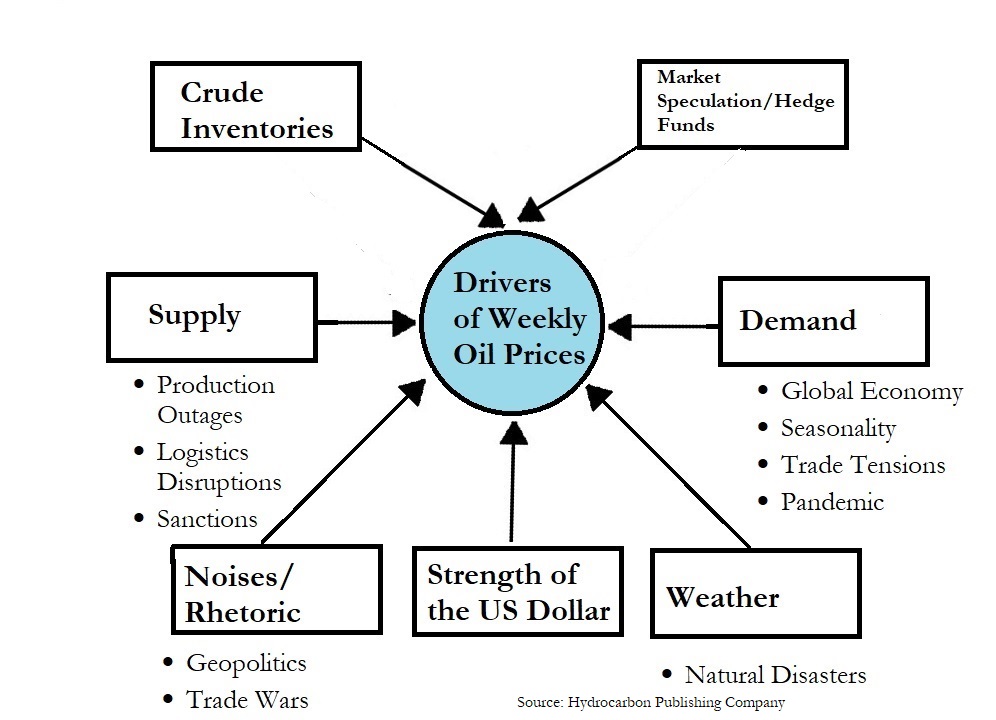
Crude oil futures are set for elevated volatility across a wide trading range in the coming week.
October 09, 2026
The global crude oil market enters the coming week navigating a fragile equilibrium between recovering physical supply routes and extreme geopolitical tension.
October 03, 2026
Crude oil futures enter the final week of Sep., balancing diplomatic optimism against persistent physical supply tightness.
September 26, 2026
As global energy markets navigate a prolonged and high-stakes geopolitical landscape, crude oil and refined product prices have faced intense upward pressure.
September 20, 2026
The world is not facing a diesel crisis alone—it is confronting a broader middle distillate emergency that spans diesel, heating oil, and jet fuel simultaneously.
September 20, 2026
As the global crude oil market moves into the week of Sep. 14, prices remain heavily elevated and volatile following severe geopolitical escalations in the Middle East and acute product market squeezes.
September 12, 2026
Diverging projections from OPEC and the International Energy Agency (IEA) in Sep. 2026 have exposed a historic 2.9MM b/d chasm in how major institutions view the trajectory of global oil demand growth, severe supply shocks, and inventory depletion amid escalating Middle Eastern conflicts.
September 11, 2026
As hostilities between the US and Iran intensify, crude oil futures face a pivotal week with Brent potentially breaching the psychologically important $100/b threshold.
September 05, 2026
The US Strategic Petroleum Reserve (SPR) has been depleted to dangerously low levels after six months of the US-Israeli war with Iran, raising concerns about the nation's ability to stabilize oil markets.
September 05, 2026
Crude oil futures experienced a turbulent week of trading, defined by competing geopolitical headlines and shifting physical supply dynamics.
August 29, 2026